Recommended

oCam Advanced Settings - Sound
Using oCam at work or school? A license is required, and it removes all ads, including this window. See the paid version →
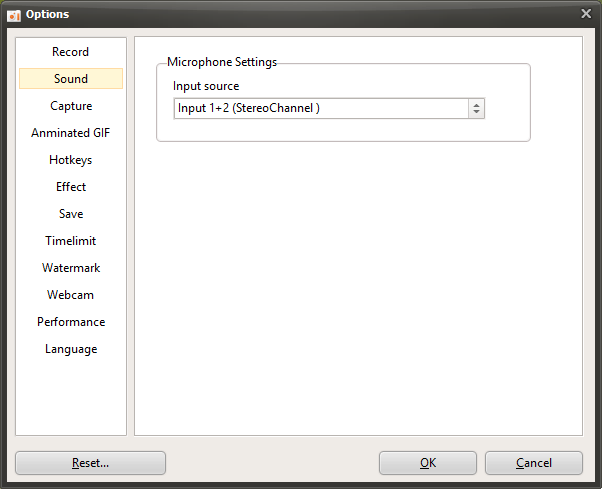
oCam is user-friendly software that not only supports screen recording but also allows you to fine-tune sound recording settings, helping you achieve optimized recording for a wide range of audio input environments. In the settings window that appears when you click the "Tools - Options" menu, selecting the "Sound" category on the left lets you check and adjust microphone-related settings. This tab is especially useful for users who need to solve microphone input issues or apply specific audio settings. Below is a detailed explanation of the settings available under the "Sound" category.
Current Microphone Settings
The "Sound" category provides options related to the current microphone settings, and by default, these settings are configured appropriately for most users, so they can usually be used reliably without any changes. In a typical recording environment, both system sound and microphone audio are recorded properly, and the default settings are generally enough to capture high-quality audio. For example, when using microphone input for lecture videos or game streaming, the default settings are sufficient for most needs.
Resolving Microphone Audio Issues
However, in certain situations, especially when using a USB audio interface or advanced audio equipment, you may encounter an issue where microphone sound is played through only one speaker, either the left or the right. This usually happens when the audio input channel settings are not configured correctly. In the "Sound" category of oCam, simple setting adjustments are provided to resolve this issue.
If sound is coming from the left speaker only: Change the microphone input source to "Input 1 (Left Channel)" to fix the problem. This setting correctly adjusts the microphone audio signal when it is focused only on the left channel, allowing balanced output through both speakers.
If sound is coming from the right speaker only: Change the microphone input source to "Input 2 (Right Channel)." This setting adjusts the audio signal coming into the right channel so that it is evenly distributed through both speakers.
These setting changes are especially useful in environments that use USB audio interfaces or stereo input, and they are an essential feature for users who want to optimize audio quality.
Usage Tips
The settings in the "Sound" category are simple, but they are very effective for resolving issues in certain audio environments. For example, streamers or content creators using a USB microphone or audio interface can quickly fix audio channel issues through these settings. After changing the settings, it is a good idea to run a short test recording to make sure the microphone audio is being recorded evenly on both channels. It is also important to adjust the microphone input level properly so that the sound is not too loud or too quiet.
If you are in a normal environment without a USB audio interface, you can usually get stable recording results just by keeping the default settings. However, if you are using advanced audio equipment, adjusting these settings to balance the audio output can be very helpful in improving the overall quality of the video.
Programs
Another helpful tip
oCam Advanced Settings - Mouse Cursor Effects - Cursor Size
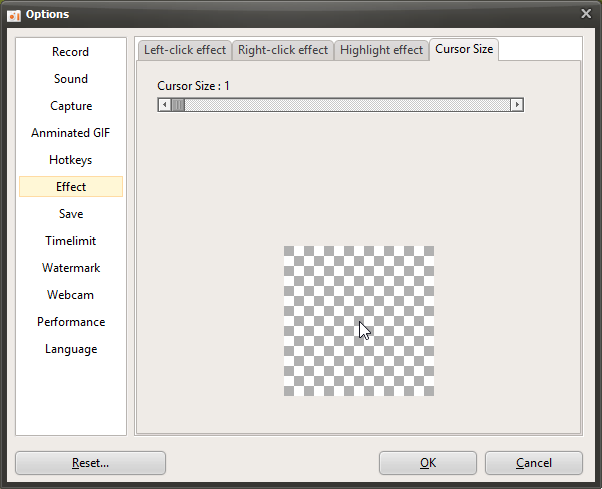
oCam is powerful software that offers a variety of settings for screen recording and capture, allowing users to customize the output as needed. In the settings window that appears when you click Tools - Options, the Effects category includes options for adjusting visual effects applied during recording, and among them, the Cursor Size setting is used to adjust the size of the mouse cursor shown in the recorded video. This setting is especially useful when you want to highlight the mouse cursor in tutorials or presentation videos. Below is a detailed explanation of the Cursor Size setting in the Effects category.
Overview of the Cursor Size Setting
The Cursor Size setting adjusts the size of the mouse cursor in the recorded video, and the cursor is displayed enlarged according to the value set by the user. This setting does not affect the size of the mouse cursor shown on the actual computer screen. It applies only to the recorded video or captured image. This allows users to keep their working environment unchanged while improving cursor visibility in the video.
Adjusting Cursor Size
Cursor Size is set to 1 by default, which means the original mouse cursor size. If the user changes this value, the cursor size is adjusted as follows:
2: The cursor is enlarged to 2 times the original size.
3: The cursor is enlarged to 3 times the original size.
...: In this way, the cursor size increases proportionally according to the setting value, and it can be set up to 10, which displays it at 10 times the original size.
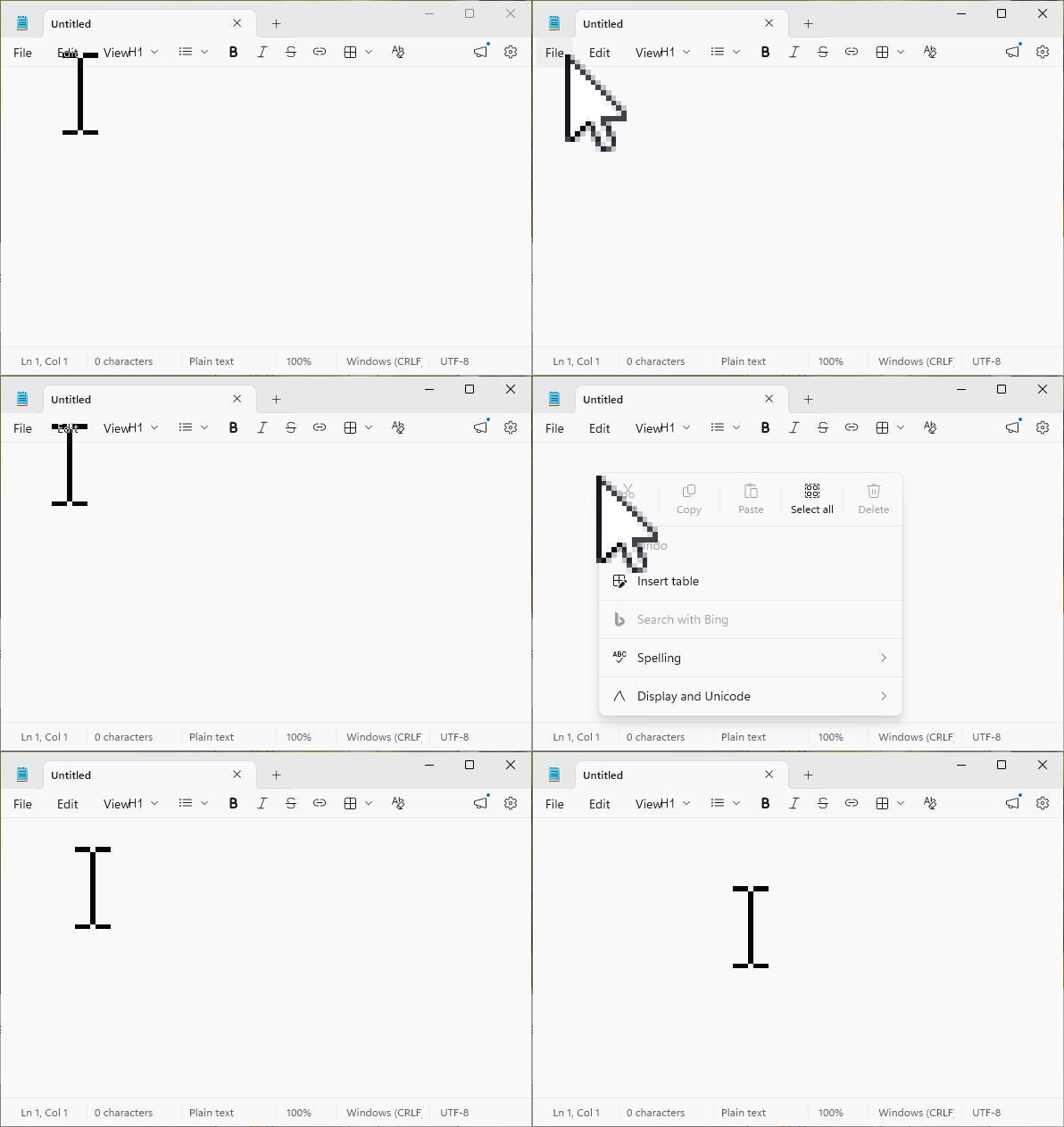
For example, if the cursor size is set to 5, the mouse cursor will appear 5 times larger than the original size in the recorded video, making it easier to highlight mouse movements and helping viewers identify the cursor position more easily. This feature is especially effective in instructional videos, software tutorials, or any situation where detailed clicking actions need to be shown.
Features and Notes
Applies only to recorded videos: The Cursor Size setting does not affect the cursor size on the actual computer screen. The mouse cursor you see while working always remains at its original size, and the enlarged cursor is applied only to the final output, such as the recorded video or captured image.
Visual emphasis: If the cursor size is set larger, the mouse cursor becomes more noticeable in the video, making it easier for viewers to follow important actions or click locations. For example, it is useful when showing how to click a specific button in a complex software interface.
Avoid excessive enlargement: If the cursor size is set too large, such as 8 to 10 times, it may cover other elements on the screen or reduce the overall neatness of the video. It is therefore important to choose an appropriate size based on the purpose of the content and the viewing environment.
Usage Tips
The Cursor Size setting can be used strategically depending on the purpose of the video. For example, when creating online lectures or YouTube tutorials, it is a good idea to set the cursor size to 3 to 5 times larger so viewers can clearly recognize mouse actions. On the other hand, in gameplay videos where the cursor is not a major element, using the default value of 1 or only slightly enlarging it to 2 or 3 may be more appropriate. After changing the setting, it is recommended to make a short test recording to check whether the cursor size fits well with the overall balance of the video.
Also, when used together with other oCam settings, such as the Include Cursor in Recording option in the Recording - General tab, you can adjust both whether the cursor is included and its size at the same time for more flexible customization. For example, if you include the cursor and set its size to 4 times larger, you can emphasize important actions for viewers while still keeping the video clean.
The Cursor Size setting in the Effects category of oCam is a simple but powerful visual tool that plays a major role in improving the readability and effectiveness of videos.