Differences in the Paid Version of oCam and How to Register the Serial Number
This software is free for non-commercial personal use, so businesses and users using it for commercial purposes must purchase a license.
If you use it in a company, organization, public institution, educational institution, or PC cafe, please purchase a license before use.
There is no difference in functionality between the free and paid versions. All ads shown in the free version are removed in the paid version.
Of course, non-commercial individual users may also purchase it if they want to remove the ads.
After purchase, the serial number will be sent to you by email, and you can use the software after registering it as shown below.
[How to Apply the Serial Number]
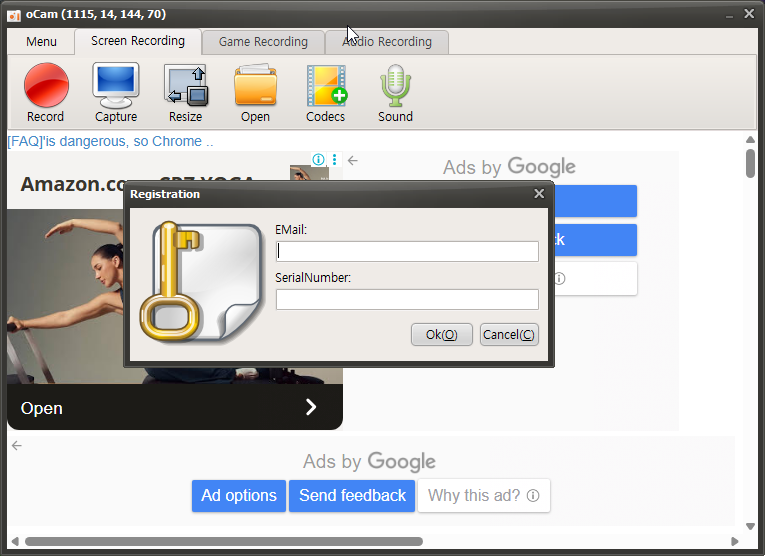
As shown above, click the menu and select Register, then enter your email address and serial number and click OK. Authentication will proceed as shown below.
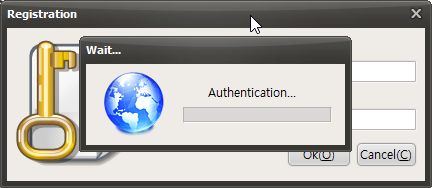
After a short wait, the registration will be completed successfully.
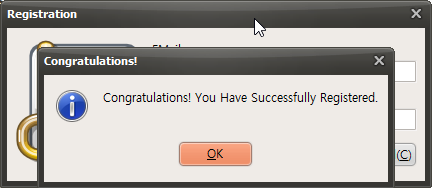
[Registered oCam Licensed Version]
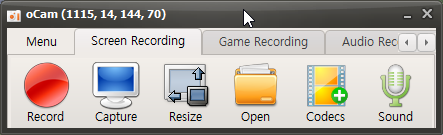
This is the registered screen with the ads removed.
For reference, the ads that opened when exiting the free version are also removed in the paid version.
Today's News/Tips
A Brief Overview of CapturePlus Features
CapturePlus is a convenient screen capture tool that supports a wide range of capture and editing features.
It is compatible with Windows XP through Windows 11, and supports more than 20 image formats as well as dual monitors.
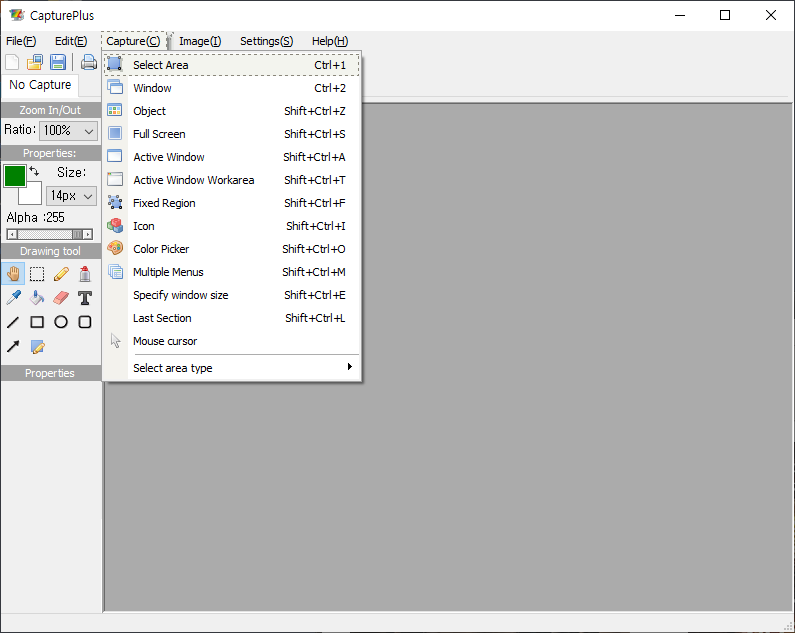
The main screen is arranged with the main menu and toolbar at the top, and drawing tools on the left.
If you are using CapturePlus for the first time, go to Screen Capture -> Select Area from the menu (hotkey: Shift + Ctrl + R), then drag to select the area you want to capture. You will then be able to view the captured screen immediately.

Screen Capture Feature(Screen Capture)
Select Area, Window, Window Scroll, Object, Full Screen, Active Window, Active Window Work Area, Fixed Rectangle Area, Window Icon, Color Capture, Menu Capture, Set Window Size, Last Capture Area, Mouse Cursor

Image Editor(Image Editor)
With the built-in image editor, you can annotate and highlight images with text, arrows, shapes, and more, along with many other useful features.

Image Effect(Image Effect)
You can apply effects to images very easily. Invert Colors, Black and White Effect, Saturation Adjustment, Brightness Adjustment, Add Noise (Color), Add Noise (Mono), Apply Mosaic, Rotate, Flip, Resize Image, Resize Canvas

Preferences and Additional Features(Additional Function)
Using the advanced settings, you can customize hotkeys, file naming, image quality, tray icons, and many other options.