FCC Approves SpaceX Plan for Up to 1 Million 'AI Data Center' Satellites: Running AI in Space
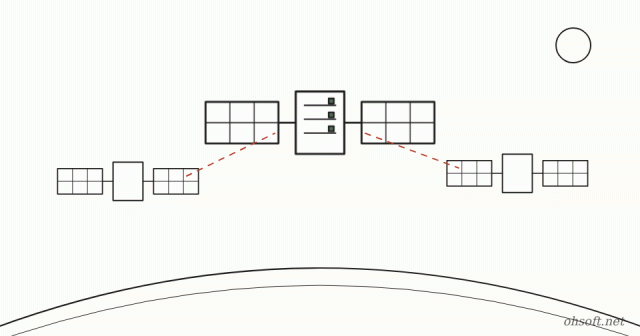
On November 25, the U.S. Federal Communications Commission (FCC) approved SpaceX's application for an "orbital data center" satellite constellation. It allows up to about 1 million satellites for AI computing in Earth orbit, the first time a plan to run AI data centers in space has received regulatory approval.
What was approved
- The constellation is called Starmind. FCC Chairman Brendan Carr announced the decision, saying it "opens a bold new frontier for the computing infrastructure needed to power America's leadership and growth."
- SpaceX plans to place the satellites at about 500 to 1,002 km. They will talk to each other by laser and link to Starlink. The approval also allows radio links from the ground to control the satellites if their primary communications fail.
- According to TechCrunch, the approval is conditional: SpaceX has 7 years to get its first operational satellite into orbit and 14 years to deploy the full constellation.
- Elon Musk thanked Carr on X, saying it "will be a great asset to America and the world."
What is still undecided
- The FCC has not yet approved SpaceX's orbital debris plans for satellites above 600 km. SpaceX asked for a waiver of the rule requiring retired satellites to reenter the atmosphere within five years, and is considering moving retired satellites to other orbits, including around the sun.
- TechCrunch noted that the approval doesn't mean orbital data centers are imminent. Cost, launches, cooling in space and financing for chips remain challenges.
Objections
- Amazon (Kuiper), Viasat and the American Astronomical Society asked the FCC to deny the application. In March, Amazon called the plan a "lofty ambition rather than a real plan" and said it would take SpaceX "centuries" to build.
- Astronomers raised concerns about debris and congestion, radio interference and harm to night-sky observation. The FCC dismissed issues such as environmental and optical astronomy concerns as outside its authority.
- An attorney at the environmental group Earthjustice criticized the FCC for issuing the decision during a holiday week without the environmental review he said the law requires.
The race for data centers in space
- Google sent its first AI chips into space in October under Project Suncatcher, and Blue Origin applied in March to launch up to 51,600 satellites for Project Sunrise.
- As power and land for data centers on the ground grow scarce, solar-powered data centers in space are becoming a new area of competition among AI companies.
Sources: TechCrunch, CNBC, FCC authorization (DA 26-1273)
Blog
- Your AI Prompts Were Being Secretly Kept: What a Security Firm Found With 2 Million Test Prompts
- Nvidia Reinstates Jensen Huang as CEO 12 Days After His Exit, Stock Jumps 31%
- Attackers' AI Agents Found an Unknown Zero-Day and Exploited It in About 11 Minutes, Amazon Says
- Getting "Out of Memory" While Recording or Editing? How to Check and Set Virtual Memory (Page File)
- How to Fix a Slow or Not Responding File Explorer in Windows 11
- How to Check Your Windows Activation Status and Fix Error 0x80041008 After the November Update
- When Windows Security (Defender) Blocks a Safe Program: How to Restore Quarantined Files and Add Exclusions
- Screen Flickering or Going Black? Restart the Graphics Driver (Win+Ctrl+Shift+B) and Roll Back the Driver